
For many people, the most difficult part of an ayahuasca experience does not happen during the ceremony itself. It happens afterward. The ceremonies end. The music fades. The group slowly disperses. Then comes a quieter phase that few people speak about deeply enough.
A person may suddenly feel emotionally open, sensitive, uncertain, reflective, inspired, or disconnected from the life they were living before. Old patterns may no longer feel sustainable. Relationships may feel different. Cities may suddenly feel overwhelming. Even returning to ordinary routines can feel strangely difficult.
This is often where ayahuasca integration truly begins. For someone searching for an ayahuasca integration retreat in Peru, the deeper question is usually not only where to go next. It is how to find a healing environment that supports integration after ceremony, emotional integration, nervous system healing, and a more grounded return to life.
What is ayahuasca integration?
Ayahuasca integration is the process of understanding, grounding, and living with what was revealed during ceremony. It may include emotional processing, life reassessment, nervous system regulation, healthier daily routines, and the slow work of translating insight into real changes.
Many people assume post ayahuasca integration is only an internal process. They think of journaling, meditation, healthy food, or quiet self-reflection. These things can certainly help. But human beings are not isolated minds floating through space. The nervous system responds constantly to environment, relationships, pace of life, noise levels, stress, stimulation, and the emotional atmosphere surrounding daily existence.
A person can leave a profound ceremony with genuine insight, then immediately return to a life filled with chronic stress, emotional disconnection, overstimulation, social pressure, and exhaustion. In some cases, the environment itself quietly pulls a person back into the same patterns they had briefly stepped outside of.
Why environment shapes healing
Ayahuasca aftercare is often spoken about as a set of practices. People are told to journal, meditate, avoid certain foods, talk with trusted friends, and spend time in nature. This advice can be useful, but it often misses a larger truth. The environment around a person can either support integration or make it harder.
A healthy integration retreat does not need to be dramatic or luxurious. In many cases, what helps most is surprisingly simple. Calm surroundings. Natural light. Healthy food. Reduced stimulation. Rest. Time without constant pressure. A slower rhythm of life. The ability to be alone when needed while still having access to human connection.
These things sound ordinary, yet many people have been living without them for years. This is why a peaceful environment can be more than pleasant. It can become part of the healing process itself.
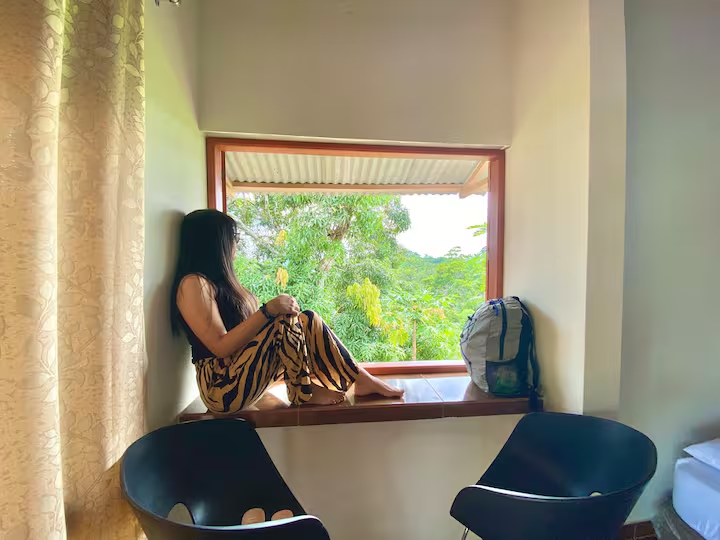
Integration is often more physical than people expect
Many people describe feeling unusually sensitive after ayahuasca. Sounds feel louder. Crowded environments feel draining. Emotional reactions become easier to notice. Some feel temporarily raw and open. Others experience an increased need for solitude, silence, rest, and reflection.
This does not necessarily mean something is wrong. The body and nervous system may simply be adjusting.
Modern life trains people to override their own internal signals. Constant stimulation becomes normalized. Phones, traffic, notifications, artificial lighting, noise, work stress, social media, and emotional tension become part of everyday existence. Many people do not realize how dysregulated they feel until they temporarily step outside of those conditions.
After ceremony, some people suddenly notice the contrast much more clearly. This is why integration after ceremony can become extremely important. The environment surrounding a person during this phase can either support nervous system healing or increase confusion and overwhelm.
Why Peru feels different for many people
There is a reason so many people feel drawn to the Peru Amazon during periods of reflection and transition. Beyond the ceremonies themselves, Peru often offers something psychologically different from highly industrialized environments.
Life can feel slower. Nature is more present. The relationship between people and land often feels less abstract. There is more space to observe life directly rather than constantly consume information about life through screens.
For some visitors, simply waking up surrounded by trees, birds, rain, and open air begins to calm the nervous system in ways they did not expect.
This does not mean Peru is some fantasy world free from difficulty or complexity. It is a real country with real human realities. But for many people coming from highly overstimulated urban environments, the contrast itself becomes therapeutic.
In the Amazon rainforest Peru region near Pucallpa, Ucayali, life often moves differently than in major Western cities. Days are shaped more by sunlight, weather, meals, conversations, rest, and the surrounding environment than by endless digital urgency. For someone moving through retreat aftercare or an integration stay Peru experience, this change in rhythm can matter more than they initially realize.
The difference between escaping and integrating
It is important to make a distinction between healing and escapism. An integration retreat should not become a way to avoid reality indefinitely. The goal is not to permanently hide from life. Genuine emotional integration eventually involves bringing awareness back into ordinary existence, relationships, work, and daily responsibility.
At the same time, healing rarely happens well under constant pressure. Many people never give themselves enough time to process major emotional experiences. They rush immediately back into stimulation, productivity, and obligation. Then they wonder why clarity disappears so quickly.
Sometimes a person simply needs a transition period. Not endless ceremony. Not dramatic spiritual identity. Just time to breathe and observe life from a quieter place.
“Integration is not only what a person practices. It is also the environment that helps those practices become real.”
Community without pressure
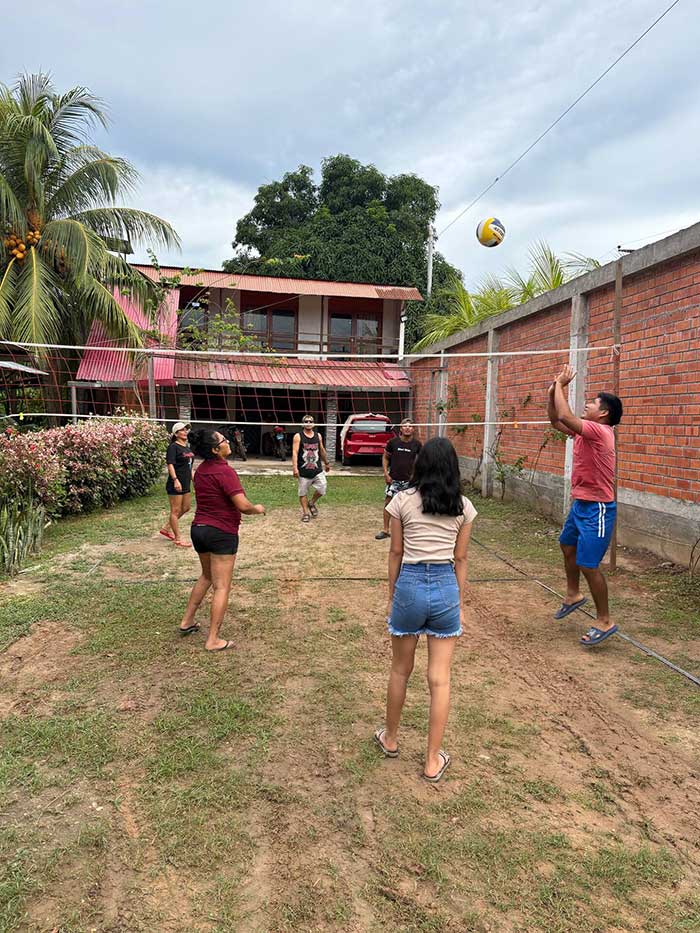
One of the strange realities of modern society is that many people feel simultaneously overstimulated and lonely. People may spend years surrounded by crowds while lacking meaningful human connection. Conversations become transactional. Relationships become rushed. Genuine presence becomes rare.
After ayahuasca, many people begin craving something more grounded and human. Not necessarily constant social interaction, but the feeling of being around others in a healthier way. This is one reason why conscious community spaces connected to healing and integration have become increasingly appealing.
When done well, conscious co-living does not mean losing privacy or personal freedom. In fact, healthy environments often respect solitude deeply. The value comes from gentle human proximity rather than forced interaction.
A shared meal. A conversation in the evening. Quietly working near others. Spending time in nature together without needing to perform socially. These small experiences can begin restoring a sense of normal human connection that many people have been missing for years.
Life after ayahuasca
Many people do not return from ayahuasca feeling like they have found all the answers. Often the opposite happens. They begin questioning things more honestly.
Some start reevaluating careers that no longer feel meaningful. Others notice unhealthy relationship dynamics more clearly. Some realize how exhausted they have been for years. Others begin feeling drawn toward slower living, nature-based living, creativity, healthier routines, or a more peaceful environment.
Life after ayahuasca sometimes becomes less about finding enlightenment and more about rebuilding life in a healthier and more honest direction. This process usually unfolds gradually. It cannot always be rushed or intellectually solved.
A person living in constant stress may struggle to hear themselves clearly. A person living in a calm jungle healing environment often begins noticing thoughts, emotions, and desires with greater clarity. This is why post-retreat support is not only psychological or spiritual. It is deeply environmental.
What a healthy integration retreat in Peru can offer
A healthy integration retreat in the Peru Amazon may offer something very different from a traditional retreat schedule focused on constant activity and ceremony. It may provide the conditions that support nervous system regulation and healing in nature.
The most important conditions are often practical and human. A slower daily rhythm. Comfortable living conditions. Nourishing meals. Opportunities for meaningful conversation. Privacy when desired. Reduced pressure to constantly perform or socialize. Time to think carefully about life again.
For many people, these conditions alone become profoundly healing because they have been absent for so long. The nervous system often responds positively to consistency and simplicity. A peaceful environment can help a person gradually stabilize emotionally while integrating insights more naturally into everyday life.
Why some people stay longer in Peru after ceremony
Some visitors to ayahuasca centers in Peru choose to remain in the region longer after ceremonies are complete. Rather than rushing directly back into overstimulation, they seek a long term stay Peru experience that allows for rest, reflection, and gradual integration.
Some continue reading, journaling, walking in nature, working remotely, or simply spending time without the constant pressure of modern urban life. For remote workers especially, remote work Peru can offer the possibility of maintaining practical responsibilities while also stepping into a healthier rhythm of life.
For others, simply disconnecting from endless digital noise becomes important. A temporary digital detox combined with healing in nature can help people reconnect with their own thoughts and emotional state in ways they had forgotten were possible.
Florido Amazon
At Florido Amazon near Pucallpa, Peru, we believe healing is influenced not only by inner work, but also by the environment surrounding daily life.
For some people, immediately returning home after ceremonies feels right. For others, there is value in remaining in a calmer setting for a little longer. A peaceful environment surrounded by nature can create space for reflection, grounding, and nervous system healing without pressure or intensity.
Life here is intentionally simple. People often spend time reading, resting, working remotely, walking, journaling, eating together, or simply slowing down enough to reconnect with themselves. Some guests value the quiet solitude. Others appreciate the gentle sense of intentional community that naturally forms when thoughtful people share space respectfully.
There is no need to force transformation. Often the most important shifts happen gradually when the nervous system finally has room to settle.
Frequently asked questions
What is ayahuasca integration?
Ayahuasca integration is the process of grounding and understanding what came up during ceremony. It can include emotional integration, nervous system regulation, lifestyle changes, rest, reflection, and support from a healthier environment.
Should I stay in Peru after ayahuasca?
Some people feel ready to return home immediately. Others benefit from staying in Peru longer so they can rest, process, and transition slowly before returning to ordinary life.
What is an ayahuasca integration retreat?
An ayahuasca integration retreat is a space focused less on ceremony intensity and more on the period afterward. It supports rest, grounding, reflection, emotional processing, and healthier daily rhythm.
Is Florido Amazon an ayahuasca ceremony center?
Florido Amazon is not positioned as a traditional ceremony retreat center. It is a peaceful long-term stay environment near Pucallpa that may support rest, reflection, conscious co-living, and integration after ceremony.
A different relationship with healing
The growing interest in ayahuasca integration retreats in Peru may reflect something larger happening in modern society. Many people are no longer searching only for experiences. They are searching for healthier ways to live.
They are beginning to realize that healing is not always about intensity. Sometimes it is about environment. Rhythm. Relationships. Simplicity. Nature. Rest. Honesty. Space to think clearly again.
Not everyone needs the same path. But many people intuitively feel that returning immediately to overstimulation after deep inner work does not always support lasting change.
Sometimes what a person needs most after ceremony is not another ceremony. Sometimes they simply need a more human way of living for a while.
Ayahuasca Integration Stay in Pucallpa, Peru
Looking for a peaceful place after ceremony?
If this kind of environment resonates with you, you can apply for a long-term stay at Florido Amazon.
Apply for Your Stay